

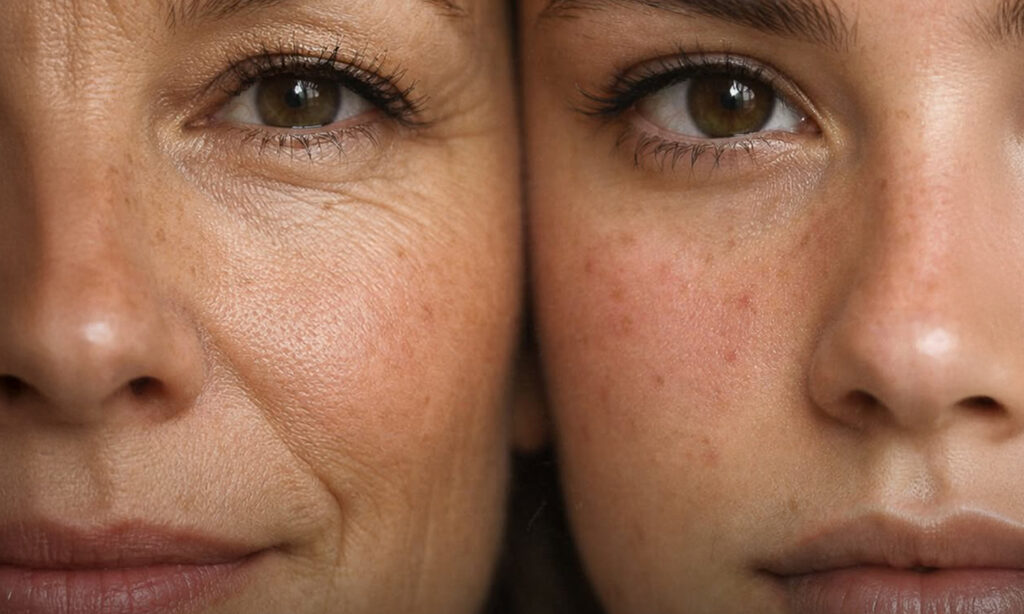
People born between 1985 and 1995 are increasingly being described by experts as aging more slowly in appearance than Gen Z, despite being older on paper. Dermatologists and social researchers say the phenomenon is less about genetics or skincare trends and more about the environments each generation grew up in.
A major factor cited is chronic stress. Those born in the late 1980s and early 1990s spent their formative years largely offline, without constant social comparison, algorithmic pressure, or permanent digital visibility. Experts argue this allowed identity, self-image, and stress regulation to develop under less psychological strain. Gen Z, on the other hand, has grown up immersed in social media from adolescence, a period when the brain is especially sensitive to external pressure. Long-term stress is closely linked to inflammation, sleep disruption, and visible fatigue, all of which can accelerate signs of aging.
Lifestyle timing also plays a role. Many people in the 1985–1995 cohort adopted wellness habits in their twenties, reducing alcohol consumption, exercising regularly, and engaging with mental health support before these practices became mainstream. Gen Z faces economic uncertainty, climate anxiety, and housing instability much earlier in life, which researchers say can manifest physically regardless of skincare knowledge or preventive habits.
Experts also point to modern screen exposure. While Gen Z is more diligent about sunscreen, prolonged daily screen use is associated with eye strain, posture-related tension, and what some specialists describe as digital fatigue, which can subtly affect facial expression and muscle tone over time.
Researchers caution that “looking younger” should not be equated with being healthier, nor framed as a generational contest. Instead, the trend highlights how social conditions, stress load, and digital life increasingly shape how age appears on the body.